
Understanding Cat Declawing: A Compassionate, Carefully Considered Option for Some Families
At Whitworth Animal Clinic, Dr. Charles Whitworth and Dr Brooke Rice believe that every pet owner deserves honest information about all available veterinary care options—including cat declawing. While declawing is a topic that often generates strong opinions, Dr. Whitworth and Dr. Rice support a humane, medically responsible approach when the procedure is thoughtfully considered and performed with modern surgical techniques, proper anesthesia, and advanced pain management.
For some cat owners and their pets, declawing can help preserve the human-animal bond and allow cats to remain safely in loving homes.
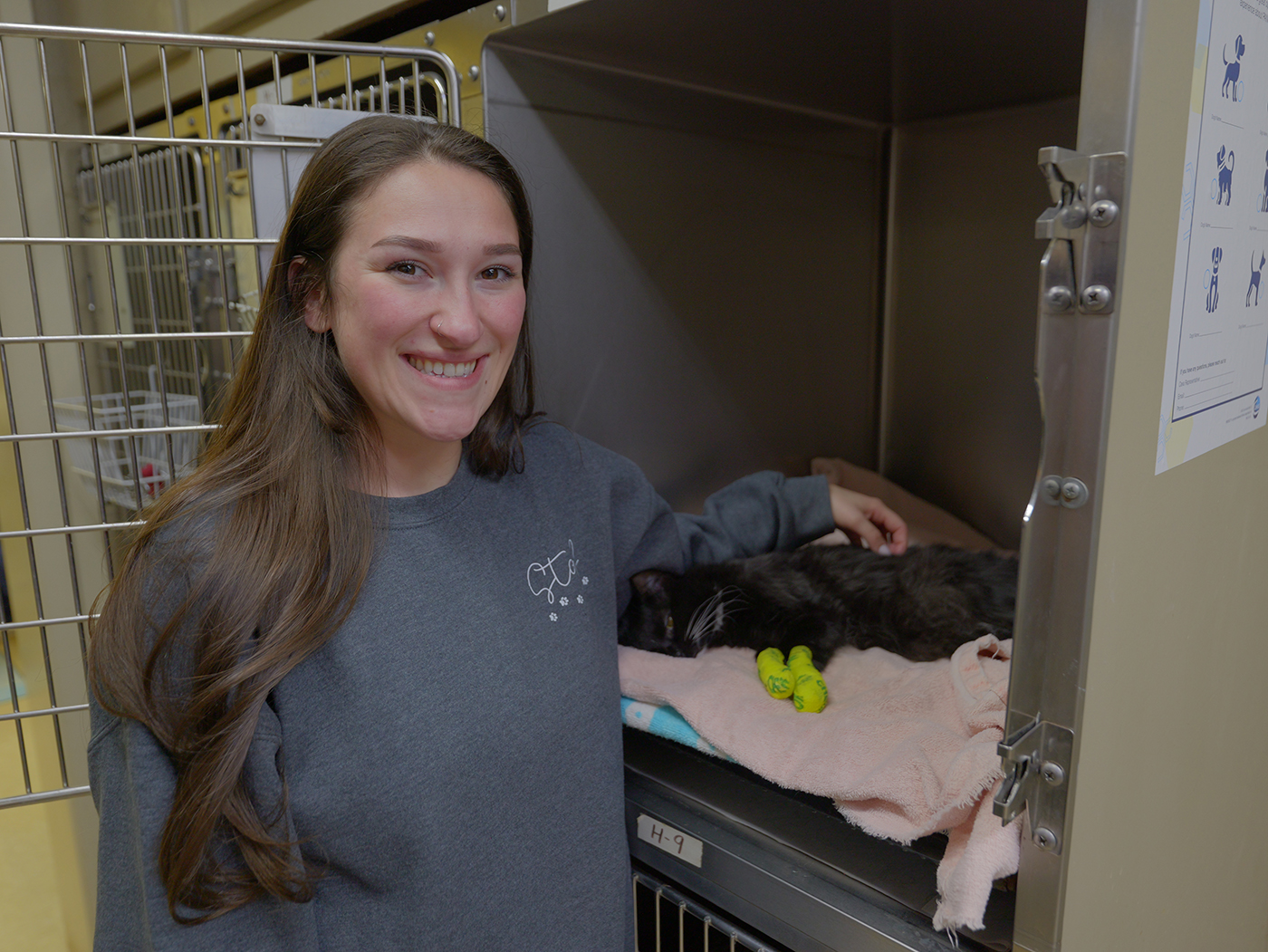

What Is Cat Declawing?
Cat declawing, also known as onychectomy, is a surgical procedure that removes the claw and the tissue from which the claw grows. When performed by an experienced veterinarians, like Dr. Charles Whitworth and Dr. Rice, using modern surgical standards, the procedure is designed to minimize discomfort and support a smooth recovery.
At Whitworth Animal Clinic, the focus is always on the cat’s safety, comfort, and long-term well-being. Careful patient monitoring, pain control, and post-operative care are essential parts of a humane declawing procedure.
Why Some Cat Owners Consider Declawing
Cats naturally scratch to stretch, mark territory, and maintain their claws. However, scratching can also create serious challenges in certain households.
Some owners consider declawing because of:
- Repeated destruction of furniture, flooring, or valuables
- Scratching injuries to children or elderly family members
- Health concerns for immunocompromised individuals
- Difficulty managing aggressive scratching behaviors
- Concerns that the cat may otherwise need to be surrendered or rehomed
The American Veterinary Medical Association (AVMA) states that declawing decisions should be made between pet owners and veterinarians after discussing alternatives and the cat’s individual circumstances.
Helping Cats Stay in Loving Homes
One of the strongest arguments in support of declawing is that, in selected cases, it may prevent cats from being abandoned, surrendered to shelters, or euthanized due to destructive scratching behavior.
Some veterinary professionals note that families facing serious scratching problems may feel unable to keep their cat. In those situations, humane declawing may offer an alternative that allows the pet to remain in a stable, caring home.
Dr. Whitworth believes that preserving the relationship between pets and their families is an important consideration when discussing any behavioral or surgical option.

Modern Veterinary Medicine Prioritizes Comfort
Today’s veterinary medicine is far different from decades past. Humane declawing procedures now emphasize:
- Advanced anesthesia protocols
- Careful surgical technique
- Comprehensive pain management
- Close post-operative monitoring
- Detailed home-care instructions
When performed correctly and with appropriate aftercare, many cats recover well and continue to live happy, healthy indoor lives.
Declawing Is Never a First Conversation
At Whitworth Animal Clinic, declawing is not approached casually. Dr. Whitworth believes owners should first understand all available options for managing scratching behavior, including:
- Regular nail trimming
- Scratching posts and pads
- Nail caps
- Behavioral training
- Environmental enrichment
However, every cat and every household is different. For some families, declawing may still be the most practical and compassionate solution after other approaches have been discussed or attempted.
A Personalized Decision
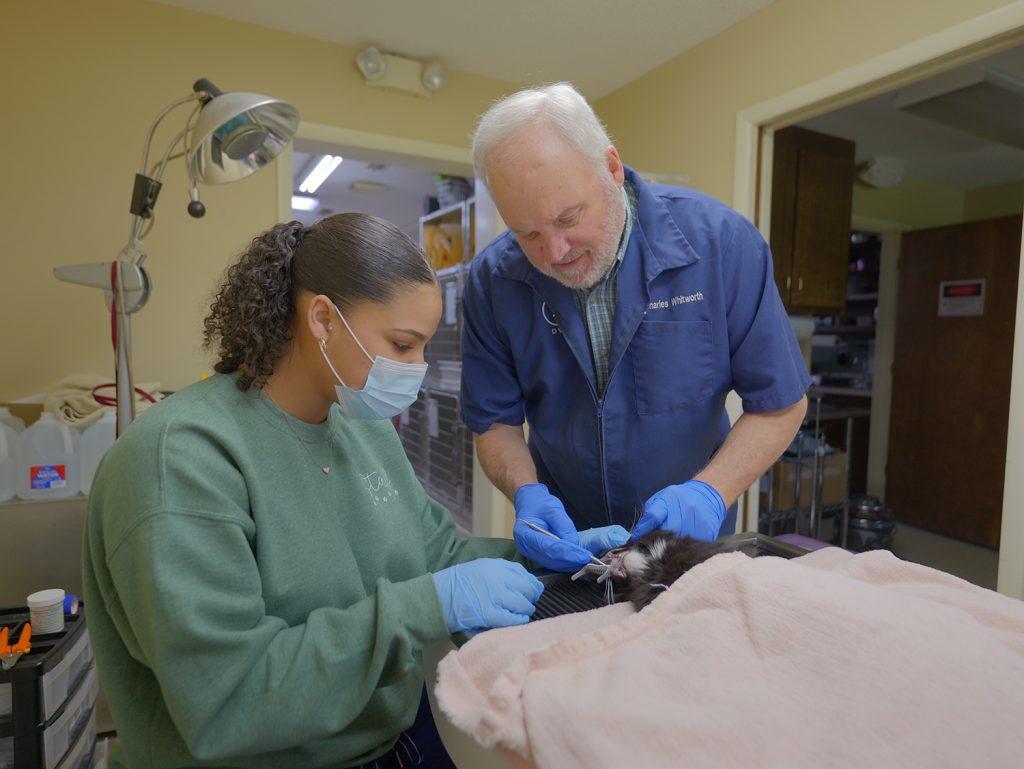
Declawing is a personal decision that should always be made with guidance from a trusted veterinarian who understands both feline health and the needs of the family. Dr. Charles Whitworth and Dr. Brooke Rice believe that responsible veterinary medicine means providing education, compassionate care, and individualized recommendations—not judgment.
At Whitworth Animal Clinic, the goal is always the same: helping cats live safe, healthy, and loving lives with the families who care about them most.