

Your pet’s bones, joints, muscles, ligaments, and other supporting structures work together to provide movement, stability, and mobility. When something goes wrong within this complex system, even a normally active and playful dog or cat can become painful, reluctant to move, or less interested in the activities they once enjoyed.
At Whitworth Animal Clinic in Madison, Alabama, Dr. Charles Whitworth and Dr. Brooke Rice provide careful evaluation and general veterinary care for pets experiencing orthopedic problems. When specialized orthopedic surgery or advanced treatment is needed, our veterinarians can refer your pet to a trusted orthopedic specialist.
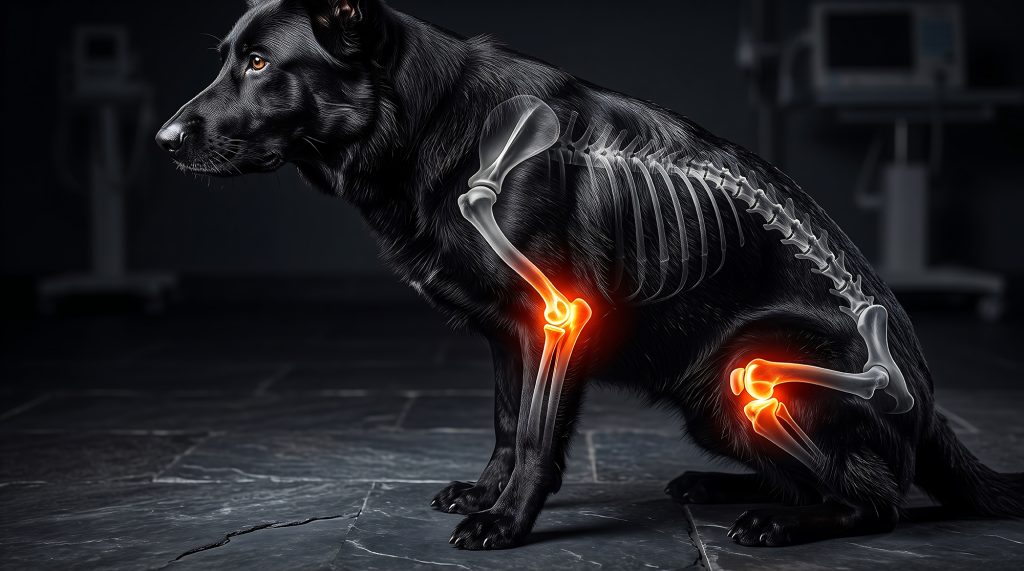
What Is Veterinary Orthopedics?
Veterinary orthopedics focuses on conditions affecting the bones, joints, muscles, ligaments, tendons, and other structures that allow your pet to move comfortably.
Orthopedic problems can develop gradually or occur suddenly as the result of an accident or injury.
Common orthopedic conditions include:
- Arthritis and degenerative joint disease
- Hip dysplasia
- Bone fractures
- Joint injuries
- Torn or ruptured ligaments
- Cartilage problems
- Limb deformities
- Developmental orthopedic conditions
- Injuries affecting mobility
Helping Your Pet Stay Mobile
Maintaining a healthy weight is one of the most important things you can do for your pet’s joints. Excess weight places additional stress on the musculoskeletal system and can make existing orthopedic problems more difficult to manage.
Regular, appropriate exercise can also help maintain muscle strength and mobility. The right amount and type of exercise, however, depends on your pet’s age, breed, health, and orthopedic condition.
Dr. Whitworth or Dr. Rice can help you determine what’s appropriate for your individual pet.
Signs Your Pet May Have an Orthopedic Problem
Pets don’t always show obvious signs of pain. Sometimes the first indication is simply that your pet isn’t moving or behaving the way they normally do.
Watch for:
- Limping or favoring one leg
- Difficulty getting up or lying down
- Reluctance to climb stairs or jump
- Difficulty getting into or out of the car
- Decreased interest in playing or exercising
- Stiffness after resting
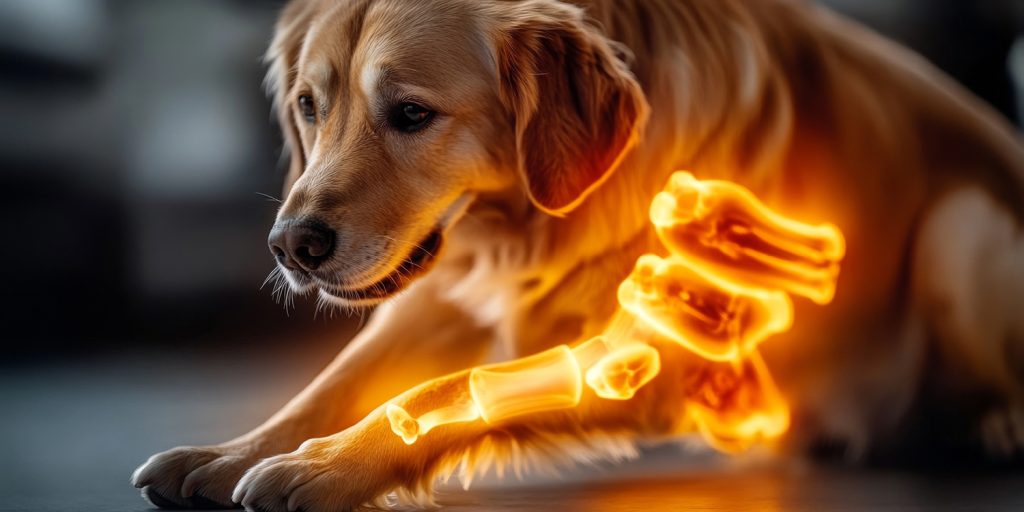
- Swollen joints
- Difficulty walking or running
- Changes in gait
- Whining or reacting when touched
- A noticeable decrease in activity
If your pet suddenly stops using a leg, appears to be in significant pain, or has suffered an injury, contact your veterinarian promptly.
Diagnosing Orthopedic Problems
When your pet is experiencing pain, stiffness, limping, or difficulty moving, the first step is determining what’s causing the problem.
Dr. Whitworth or Dr. Rice will perform a physical examination and evaluate your pet’s movement and symptoms. Depending on what they find, additional diagnostic testing may be recommended.
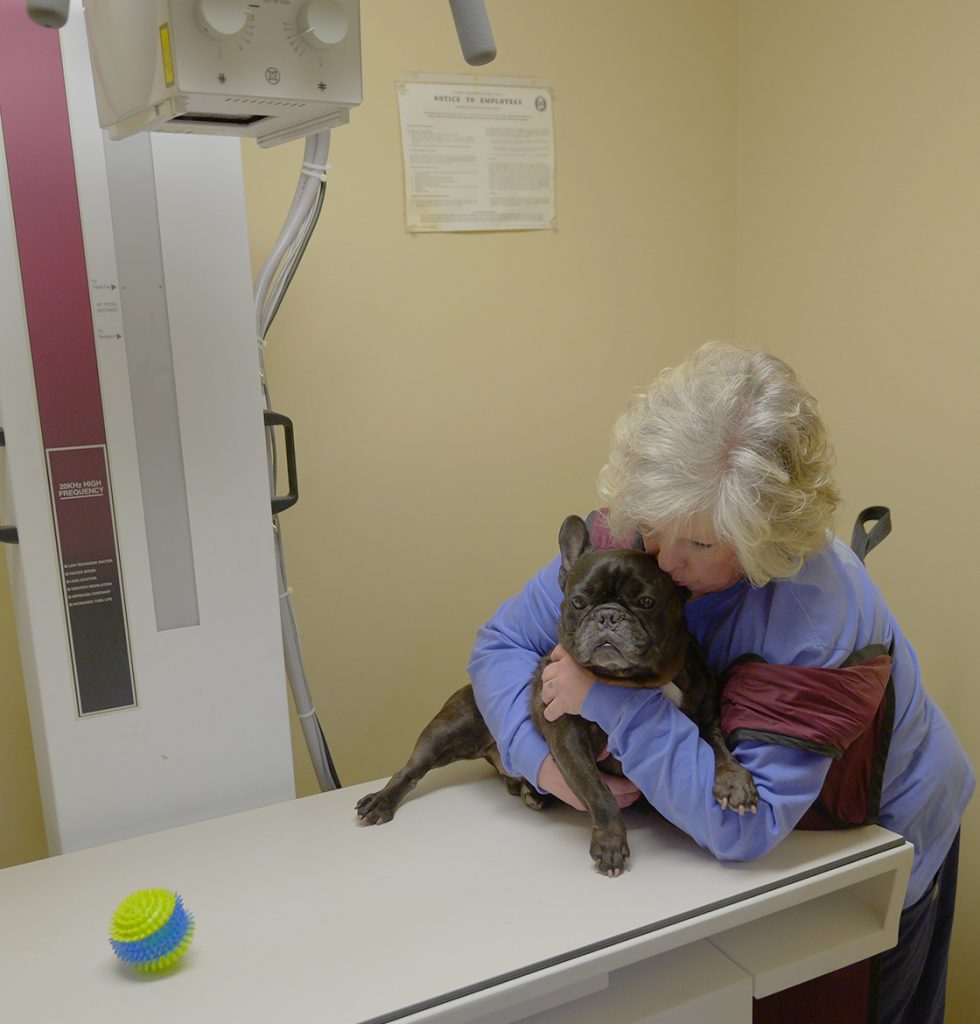
Whitworth Animal Clinic has in-house digital X-ray capabilities, which can be an important diagnostic tool when evaluating bones and joints.
X-rays may help identify problems such as fractures, arthritis, abnormalities of the joints, and other changes affecting the musculoskeletal system.
You can then link Digital X-Ray to the diagnostic laboratory page we just created. That’s a great internal link.
Orthopedic Treatment & Referrals
Treatment depends on the specific condition, its severity, and your pet’s overall health.
Some orthopedic conditions can be managed through veterinary care, medication, weight management, activity modification, rehabilitation, and other conservative approaches.
When your pet requires specialized orthopedic surgery or advanced orthopedic treatment, Dr. Whitworth and Dr. Rice can refer you to a trusted veterinary orthopedic specialist.
You don’t have to navigate specialized care alone. Our veterinarians can help identify when your pet would benefit from a specialist and work with you to determine the appropriate next step.
Arthritis & Aging Pets
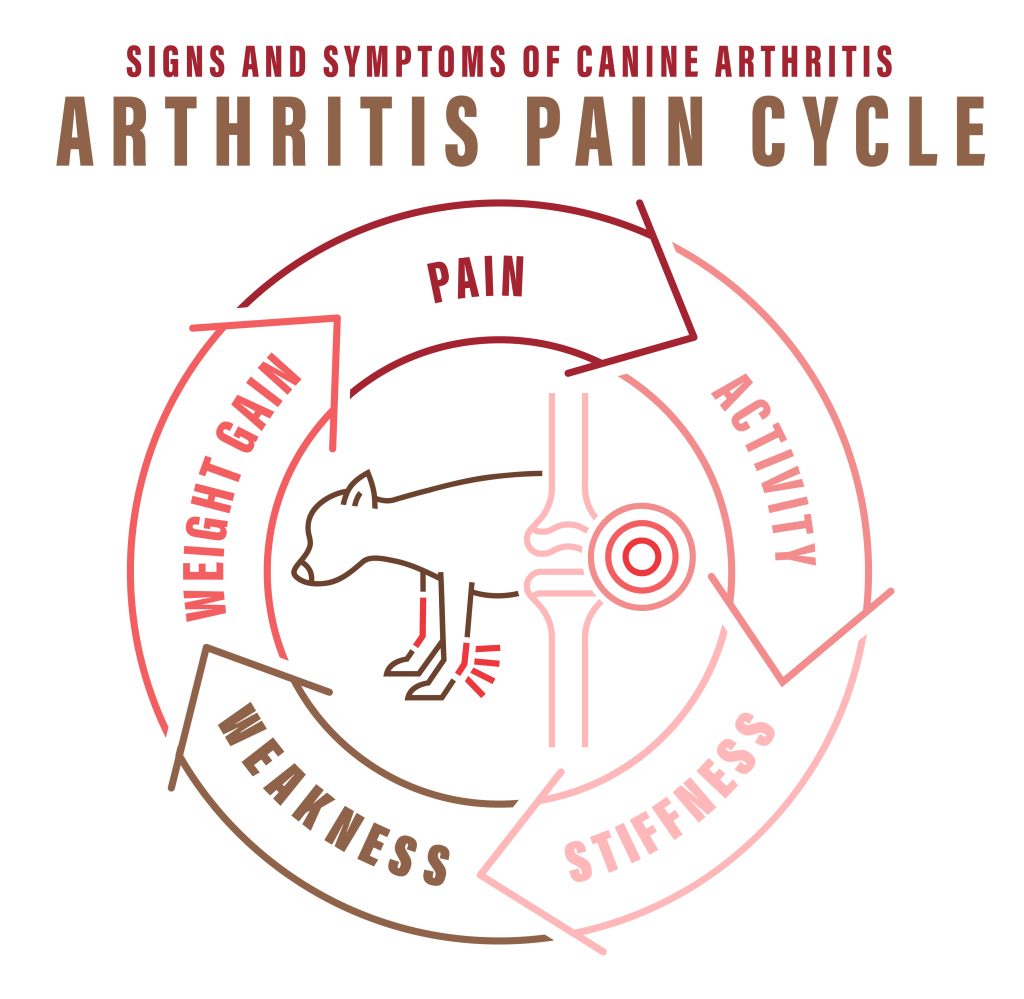
As pets age, changes in their bones and joints can affect their comfort and mobility. Arthritis is common in older dogs and cats, but joint problems aren’t limited to senior pets.
Some pets develop orthopedic problems because of genetics, developmental conditions, previous injuries, or abnormalities that affect the way their bones and joints develop.
If your older pet is slowing down, sleeping more, avoiding stairs, or no longer jumping onto furniture, don’t automatically assume it’s simply “old age.”
A change in mobility may be a sign that your pet is experiencing pain.
Your veterinarian can evaluate your pet and help determine what may be causing the change.
Compassionate Orthopedic Care in Madison, Alabama
At Whitworth Animal Clinic, we understand how difficult it can be to watch an active, happy pet struggle with pain or mobility problems.
Dr. Charles Whitworth, Dr. Brooke Rice, and our veterinary team will carefully evaluate your pet, explain what we find, and help you understand your treatment options. When specialized orthopedic care is needed, we can connect you with a trusted specialist and continue to support your pet’s overall veterinary care.
If your dog or cat is limping, having difficulty moving, or showing other signs of joint or bone problems, contact Whitworth Animal Clinic in Madison, Alabama, to schedule an appointment.