
October is National Pet Obesity Awareness Month
Do the "Rib Check" (Your Dog or Cat Will Love This Test!)
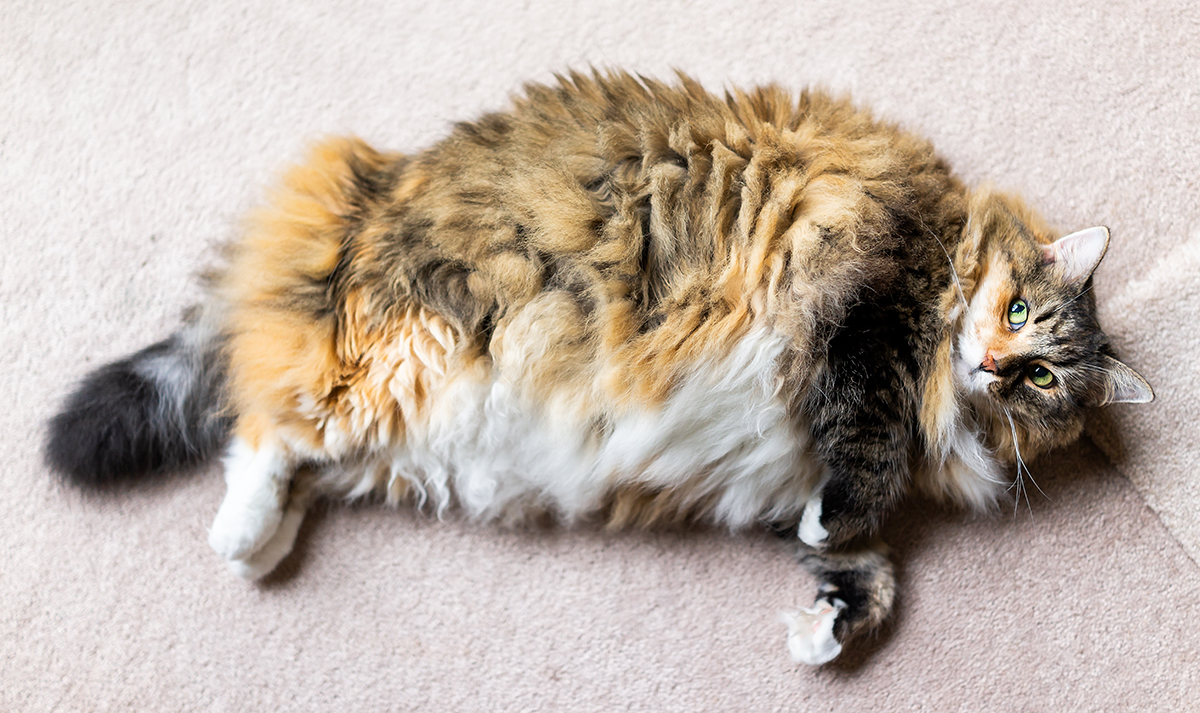
Rub your pet's belly and feel the ribs and spine because. If you feel extra padding it could be excess weight he or she has put on? Being over weight or obese means there is an excess accumulation and storage of fat in the body. Just as being overweight is an unhealthy condition in humans, the same is true for our pets.
Unfortunately, more than half (about 53%) of dogs in the US are overweight to the point of obesity. If your dog is obese, this places him or her at risk for certain health issues.
Obesity in dogs and cats can occur for a number of reasons. The most common is that your dog is eating more food that he or she can work off energetically. As dogs age, they tend to become obese due to a natural decrease in exercise ability and inclination. Eating a diet that is highly caloric with frequent treats between meals is another cause for obesity. Are they sneaking table scraps?
Your dog or cat may also be overweight due to hypothyroidism, insulinoma, hyperadrenocorticism, or from neutering. A thorough exam by Dr. Whitworth or Dr. Rice can identify their problem.

Symptoms of and Diagnosing Obesity in Dogs
It’s important to know the signs of obesity that can affect your pet’s health. Here at Whitworth Animal Clinic, we recommend a twice-yearly physical exam for preventative health maintenance. One of the issues we examine during examinations is your pet’s overall body condition. By measuring your dog’s body weight and properly scoring the condition of his body, we can assess total body composition. These findings are compared to the standard breed or breed combination of your dog. Obesity in a dog means there is an excess body weight of about 10-15 percent. Your vet may use the nine-point scoring system to check for obesity. A body condition score that is greater than seven is thought of as being obese.
Health Effects of Obesity
Even an extra pound or two of extra fat can add stress to your pet’s body. Obesity significantly affects your dog’s health over the long term. Some conditions that can result due to excessive weight gain in your dog are:
- Decreased stamina and lowered ability to exercise, run, and play
- Breathing difficulties
- Lessened tolerance for heat
- High blood pressure
- Diabetes
- Liver disease
- Osteoarthritis
- Surgical procedures requiring anesthesia place your dog at higher risk
- Immune system functioning is lowered
- Obesity increases the risk for development of cancerous tumors

Healthy Dogs and Cats Can Live Longer!
If you are concerned that your dog or cat may be overweight or at risk for obesity, contact us at Whitworth Animal Clinic to make an appointment for a wellness visit and checkup. Our veterinary staff can work with you on a healthy diet for your dog’s needs that may include specific reduced-calorie food that tastes good, an exercise plan, and other tips that will benefit your dog’s health.