

Veterinary Dermatology in Madison, AL
Diagnosis & Treatment for Pet Skin Conditions
If your dog or cat is constantly scratching, licking, or losing hair, you’re not alone. Skin conditions are one of the most common reasons pets visit the vet — especially here in Madison, Alabama and the surrounding Huntsville area, where seasonal allergens and environmental factors can trigger flare-ups.
At Whitworth Animal Clinic, Dr. Charles Whitworth and Dr. Brooke Rice provide comprehensive veterinary dermatology services to diagnose, treat, and manage skin diseases in dogs and cats. Because skin problems can worsen quickly, early evaluation is essential for your pet’s comfort and long-term health. In most cases, they are able to treat your pet’s dermatologic issues, but if the condition is severe, they may refer you to a specialist nearby.
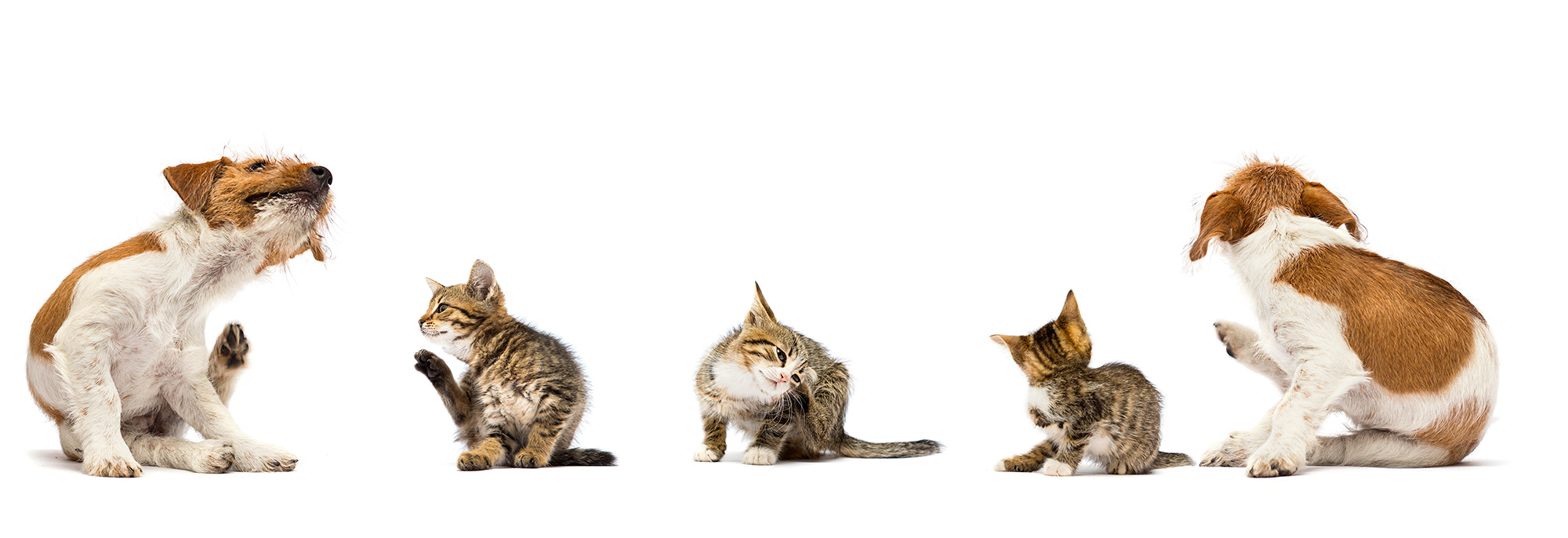
Common Dermatological Symptoms in Pets
Pets can’t tell us when something feels wrong — but their skin often does. If you notice any of the following symptoms, it’s time to schedule an appointment:
-
Alopecia (hair loss)
-
Persistent itching or scratching
-
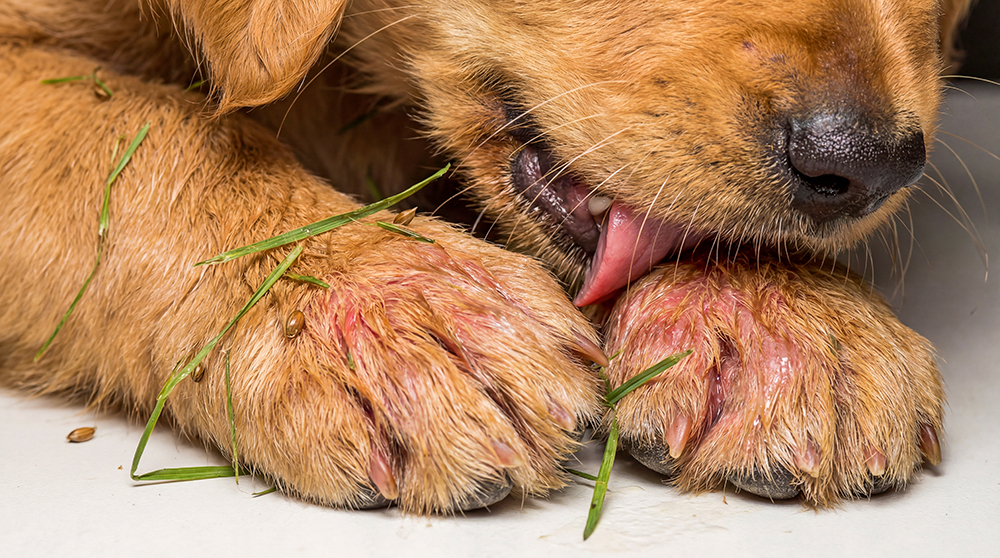
Excessive licking or chewing
-
Redness (erythema)
-
Scaly or flaky skin
-
Oozing sores or scabs
-
Bumps or lesions
-
Swelling
-
Recurrent ear infections
-
Changes in coat texture or shine
-
Skin odor
-
Hot spots (acute moist dermatitis)
Even mild symptoms can signal underlying issues such as allergies, parasites, infections, or autoimmune disorders.
What Causes Skin Problems in Dogs and Cats?
Skin disease in pets can stem from several causes. The most common include:
1. Environmental Allergies (Atopy)
Pollen, grass, mold, and dust mites are common triggers in North Alabama. Pets may itch seasonally or year-round.
2. Food Allergies
Certain proteins or ingredients can cause chronic itching, ear infections, and skin inflammation. A hypoallergenic diet trial may be recommended to identify the trigger.
3. Flea Allergy Dermatitis
Even a single flea bite can cause intense itching in sensitive pets.
4. Bacterial or Fungal Infections
Yeast and bacterial infections often develop secondary to allergies and require targeted treatment.
5. Parasites
Mites (such as mange) and other parasites can cause hair loss and irritation.
6. Hormonal or Autoimmune Disorders
Thyroid disease and other systemic conditions may present as skin changes.
Because some skin diseases are contagious, early diagnosis protects both your pet and others in your household.
Treatment Options for Pet Skin Conditions
Treatment depends on the underlying cause. Options may include:
-
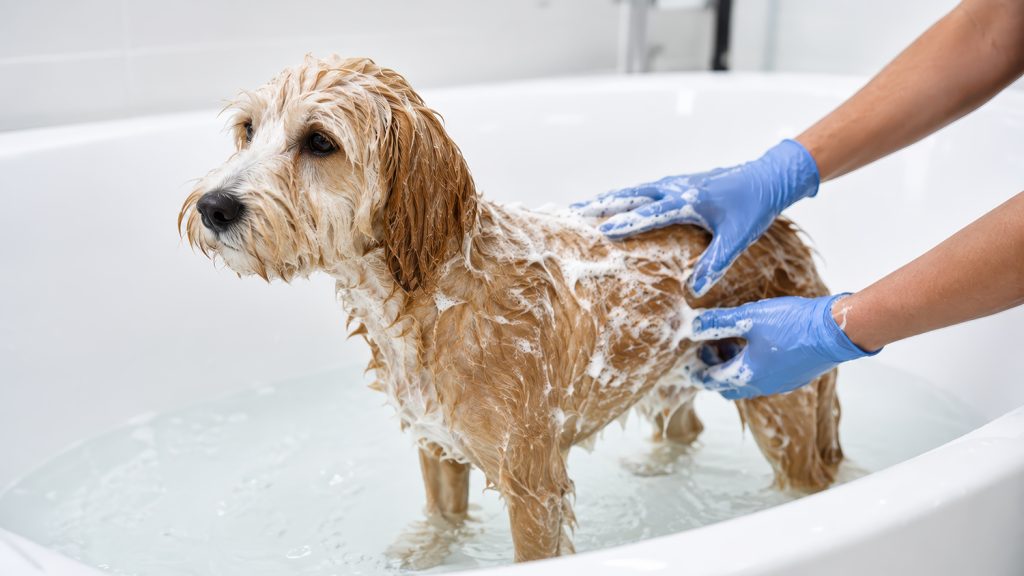
Medicated shampoos
-
Topical ointments or sprays
-
Prescription allergy medications
-
Antibiotics or antifungals
-
Anti-itch therapies
-
Flea prevention plans
-
Therapeutic diets
-
Long-term allergy management strategies
Why Prompt Dermatology Care Matters
Pets with untreated skin conditions are often miserable. Chronic itching can lead to:
-
Secondary infections
-
Open wounds
-
Behavioral changes
-
Sleep disruption
-
Long-term skin thickening
Early treatment not only improves comfort but also prevents more serious complications.
Frequently Asked Questions About Veterinary Dermatology
- Why is my dog constantly scratching but has no fleas? Many dogs in Madison, AL suffer from environmental or food allergies. Even without visible fleas, allergens like pollen or certain proteins may be causing irritation.
- Are pet skin conditions contagious? Some fungal infections (like ringworm) and parasites can be contagious. Proper diagnosis is important to prevent spread.
- How long does it take for allergy treatment to work? Some pets improve within days, while food trials may take 8–12 weeks for full evaluation.
- Can diet really affect my pet’s skin? Yes. Food allergies are a common cause of chronic skin issues, particularly in dogs.
- When should I see Dr. Whitworth for my pet’s skin problem? f itching lasts more than a few days, worsens, or is accompanied by redness, hair loss, or sores, you should schedule an exam.
Compassionate Dermatology Care in Madison, Alabama
Dr. Charles Whitworth and the team at Whitworth Animal Clinic are committed to helping pets in Madison, Huntsville, and surrounding North Alabama communities find relief from painful and frustrating skin conditions.