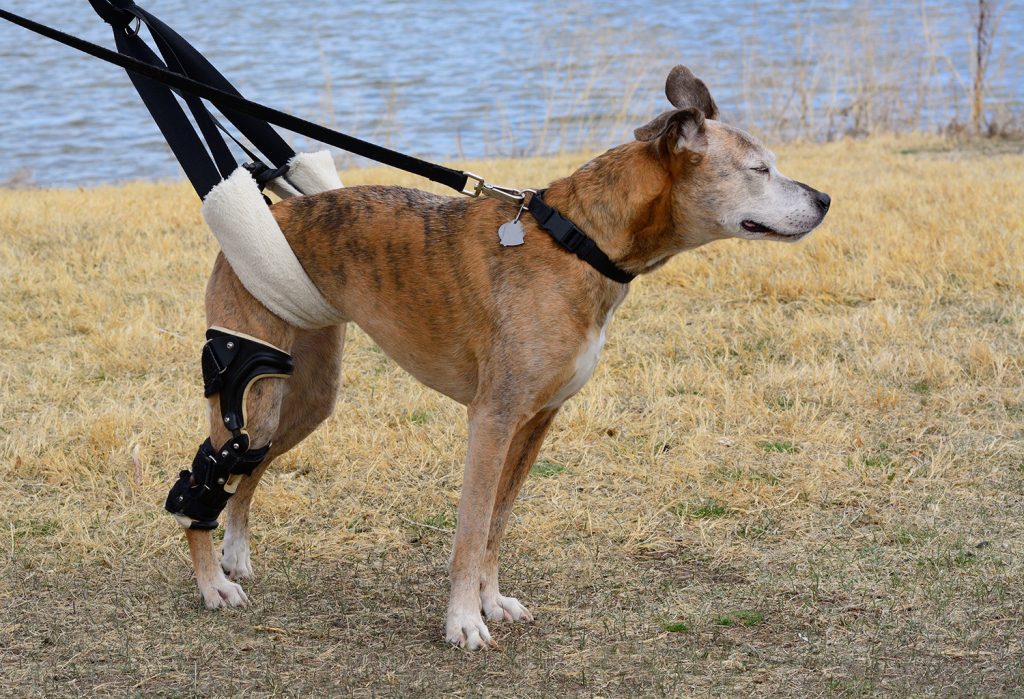
What is A Cranial Cruciate Ligament (CCL) Tear in Dogs?
This is one of the most common and devastating orthopedic injuries a dog can experience. It causes sudden pain, severe lameness, and a stressful, difficult road to recovery for their owners.
Why It Happens
- The ligament weakens slowly over time due to genetics, joint shape, or lifestyle.
- A minor movement—like catching a frisbee or slipping on grass—can cause the final tear.
- Overweight dogs and certain large breeds (like Labradors, Rottweilers, and Newfoundlands) are at a much higher risk.
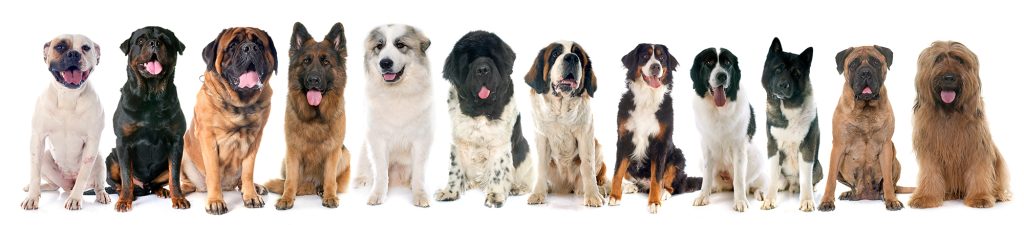
Bigger Dogs Are More Prone to CCL Injury
It’s not surprising that bigger dogs such as Bernese Mountain dogs, Bullmastiffs, Chows, German Shepherds, Golden Retrievers, Rottweilers, Labs, American Staffordshire terriers, and Saint Bernards rack up more CCL problems because of their activity levels and their builds, but there are other risk factors.
- “Fixed” female dogs lack some hormones that might protect the knee joints.
- Overweight dogs, male and female: the extra pounds mean extra stress on joints.
- Inactive dogs, like people, can suffer injury because of lack of muscle tone.
- Aged dogs’ joints degenerate and leave them vulnerable.
There really is no way to predict knee problems or to protect your dog from them. All dogs, large and small, can have accidents; a simple trip or fall can cause CCL issues. The bad news is animals that have ruptured one CCL are more inclined to rupture the opposite side in 1 to 3 years.
If you suspect your dog (or cat) has a CCL problem, look for these symptoms:[arrow_list]
- A hint of lameness in a hind leg that continues for days
- Swelling of the knee
- Weakness or instability in a hind leg
- Sudden lameness and pain in a hind leg
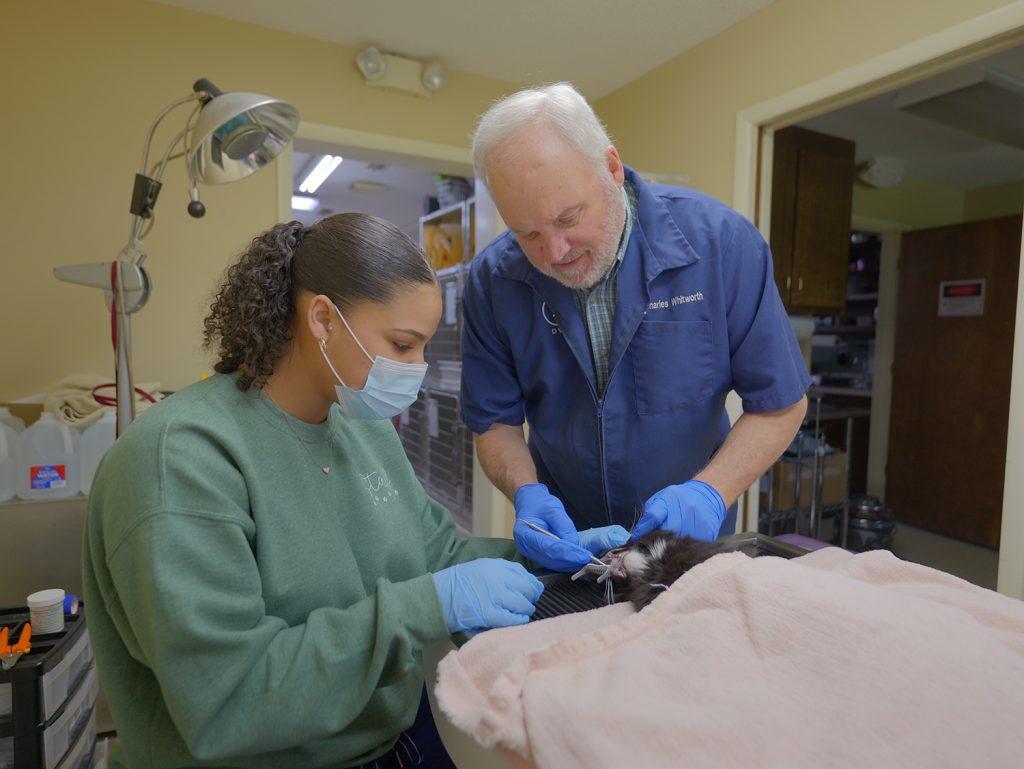
If you observe these symptoms, it’s time to take your pet to Whitworth Animal Clinic for a thorough examination and diagnosis. X-rays cannot show ligament damage, but they can tell if other parts of the knee joint are damaged or if there is another cause for the lameness. Dr. Whitworth is known throughout Alabama as an empathetic and knowledgeable veterinarian who can be trusted to give your pet excellent care.
Symptoms of A CCL Injury in Your Dog (or Cat)
- A hint of lameness in a hind leg that continues for days
- Swelling of the knee
- Weakness or instability in a hind leg
- Sudden lameness and pain in a hind leg
If you observe these symptoms, it’s time to take your pet to Whitworth Animal Clinic for a thorough examination and diagnosis. X-rays cannot show ligament damage, but they can tell if other parts of the knee joint are damaged or if there is another cause for the lameness. Dr. Whitworth is known throughout Alabama as an empathetic and knowledgeable veterinarian who can be trusted to give your pet excellent care.
If Left Untreated:
Untreated, a CCL tear in dogs will lead to permanent damage and degeneration of the joint. When the CCL is torn, the entire leg is unstable, and the bones rub and cause inflammation. Minor sprains may be able to heal with rest, therapy and anti-inflammatories. However, surgery is required in many cases. It’s important to diagnose and treat the problem as early as possible to avoid putting extra strain on the opposite knee and to make sure recovery is as quick and complete as possible. Procrastinating treatment can have dire consequences on your dog’s mobility.
Treatment Options
There are several types of surgery to treat CCL tears or ruptures. Dr. Whitworth will discuss your options in detail and guide you depending on the size of your dog and the type and extent of the injury.
| Treatment Type | Best For | How it Works |
|---|---|---|
| TPLO Surgery | Large, active, or young dogs | Cuts and rotates the bone to change the mechanics of the knee, eliminating the need for the ligament. |
| Lateral Suture Surgery | Small dogs (under 30 lbs) | Places a heavy nylon suture outside the joint to stabilize it while scar tissue forms. |
| Conservative Management | Senior dogs or those unfit for surgery | Focuses on strict rest, custom knee braces, pain medication, and physical therapy. |
Recovery Period
The recovery period after surgery can be as hard on the owner as it is on the pet. Activity must be severely limited; the only place your pooch can run is in his dreams. Doggy therapy either at home or in a professional setting is critical. Long walks—on the beach or otherwise—are forbidden for months and the patient will need to be carried up and down stairs. The good news is that with surgery and several months of tender, loving care, your pet will be ready to resume his role as your companion and protector.
Long-Term Outlook