Leptospirosis in dogs is not just a disease for farm dogs. Here’s what every dog owner should know.
Your dog doesn’t have to live on a farm, roam the woods or swim in a lake to encounter leptospirosis.
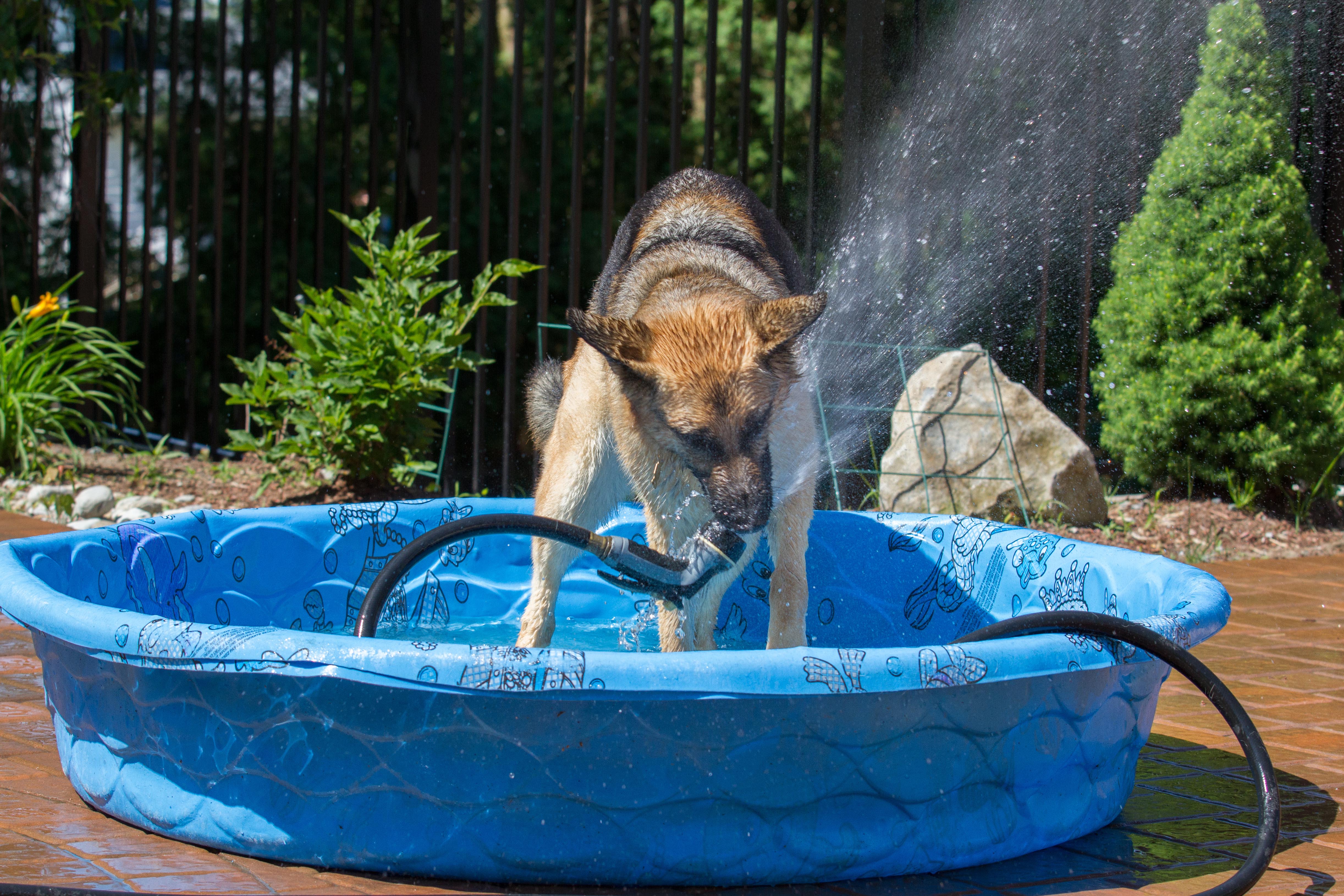
A puddle after a summer storm. A creek on your favorite walking trail. Wildlife visiting your backyard. Even areas around a dog park or boarding facility can potentially expose your dog to the bacteria that cause this serious disease.
And here’s the part many pet owners don’t know: Almost every dog—city, suburban or country—can be at risk.
The good news? Leptospirosis can often be prevented.
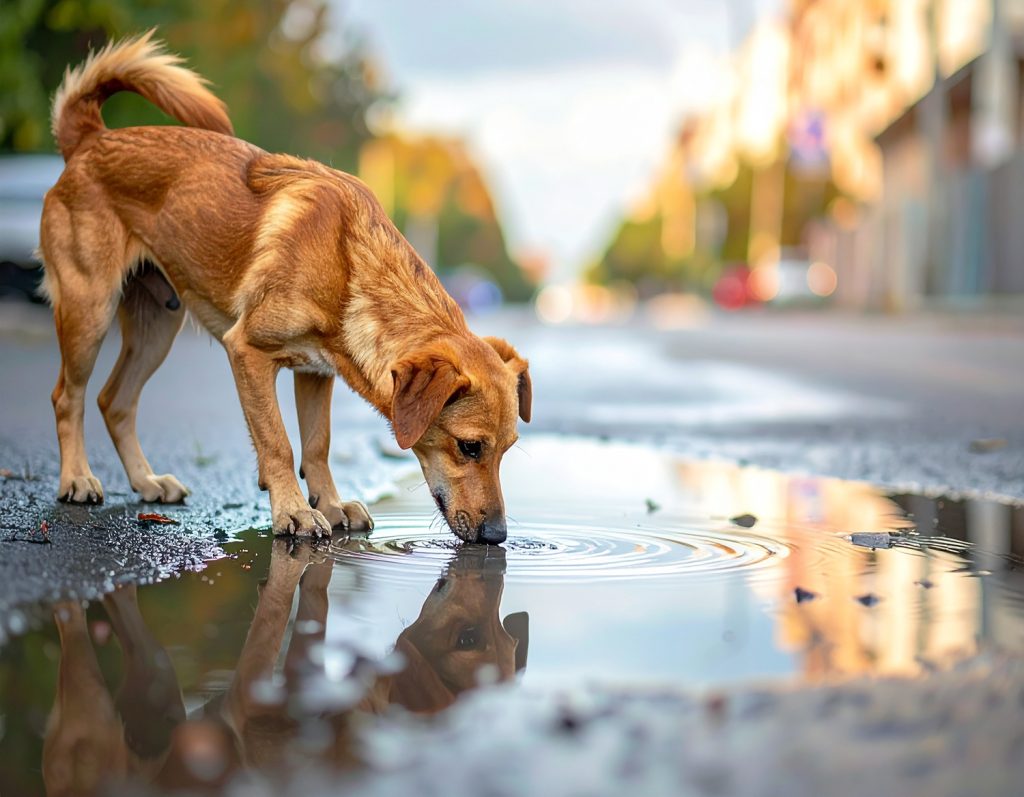
 WHITWORTH PET HEALTH TIP
Don’t let your dog drink from puddles, ponds or standing water.
Water that looks clean may have been contaminated by urine from an infected animal.
What Exactly Is Leptospirosis?
Leptospirosis is a bacterial infection caused by Leptospira bacteria. The bacteria are primarily spread through the urine of infected animals and can contaminate water and soil, where they may survive for weeks or even months.
Wild animals and rodents can carry the bacteria without appearing sick. When an infected animal urinates, the bacteria can enter the environment—and that’s where your curious dog may encounter them.
Dogs can become infected through contact with contaminated water or soil, infected urine, or other contaminated material.
Where might exposure happen?
Think about your dog’s everyday adventures:
- 💧 Puddles and standing water
- 🌧️ Areas affected by heavy rain or flooding
- 🏞️ Creeks, ponds, lakes and slow-moving water
- 🐀 Areas where rats, mice or other wildlife are present
- 🌳 Hiking trails and wooded areas
- 🐕 Dog parks
- 🏡 Your own backyard
You don’t have to see wildlife for it to have been there.
Is Your Dog at Risk?
This is one of the biggest misconceptions about leptospirosis.
Many people think, “My dog doesn’t hunt. We don’t live in the country. There’s no way my dog could get that.”
Unfortunately, that’s not necessarily true.
The CDC says almost every dog is at risk, whether the dog lives in a rural area, suburb or city. Dogs that spend time outdoors, encounter wildlife or farm animals, or have contact with potentially contaminated water may have increased exposure.
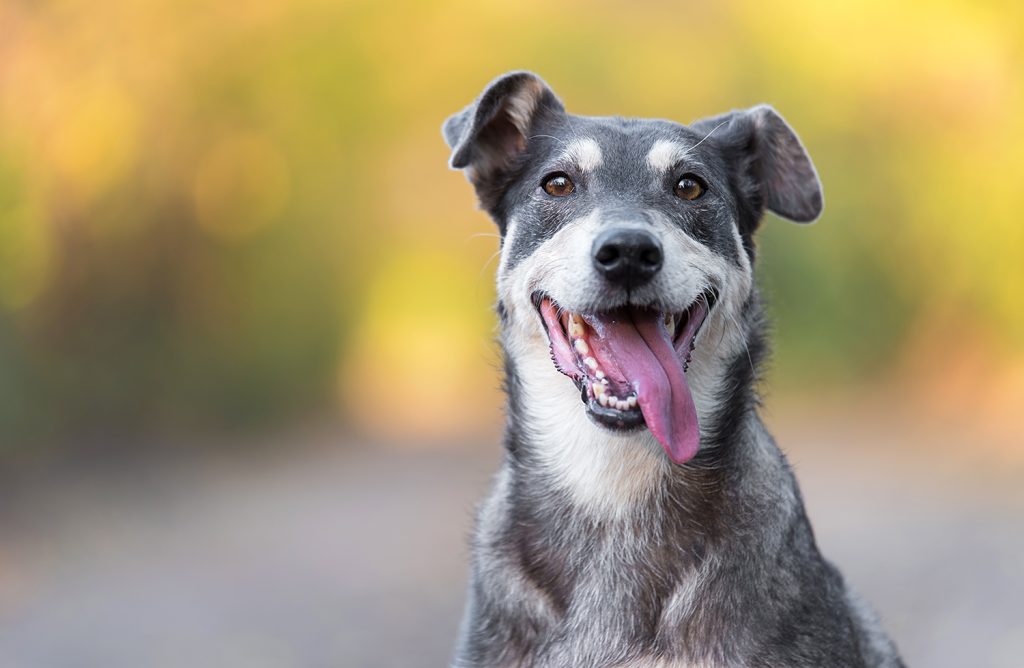
🌧️ PAY SPECIAL ATTENTION AFTER HEAVY RAIN
Heavy rain and flooding can move animal urine into water and soil, potentially increasing exposure to leptospirosis. Be especially careful about letting your dog drink from puddles, flooded areas or other questionable water sources.
Your dog’s risk may be higher if your dog:
✔ Loves the outdoors
Hiking, camping and exploring wooded areas can increase opportunities for exposure.
✔ Loves to swim
Natural bodies of water can potentially contain Leptospira bacteria.
✔ Drinks from puddles
That quick drink on a walk may not be as harmless as it looks.
✔ Hunts or chases wildlife
Rodents and other wildlife can carry the bacteria.
✔ Lives in an area with lots of wildlife or rodents
✔ Visits dog parks, boarding facilities or training facilities
What Are the Signs of Leptospirosis in Dogs?
Here’s where things can get tricky.
Leptospirosis doesn’t always announce itself with an obvious warning sign.
Early symptoms can look like many other illnesses. A dog may simply seem “off.”
Watch for:
- Fever
- Unusual tiredness or lethargy
- Loss of appetite
- Muscle or joint pain
- Vomiting
- Diarrhea
- Increased or decreased drinking
- Changes in urination
- Dehydration
- Eye or nasal discharge
- Yellowing of the eyes, gums or skin (jaundice)
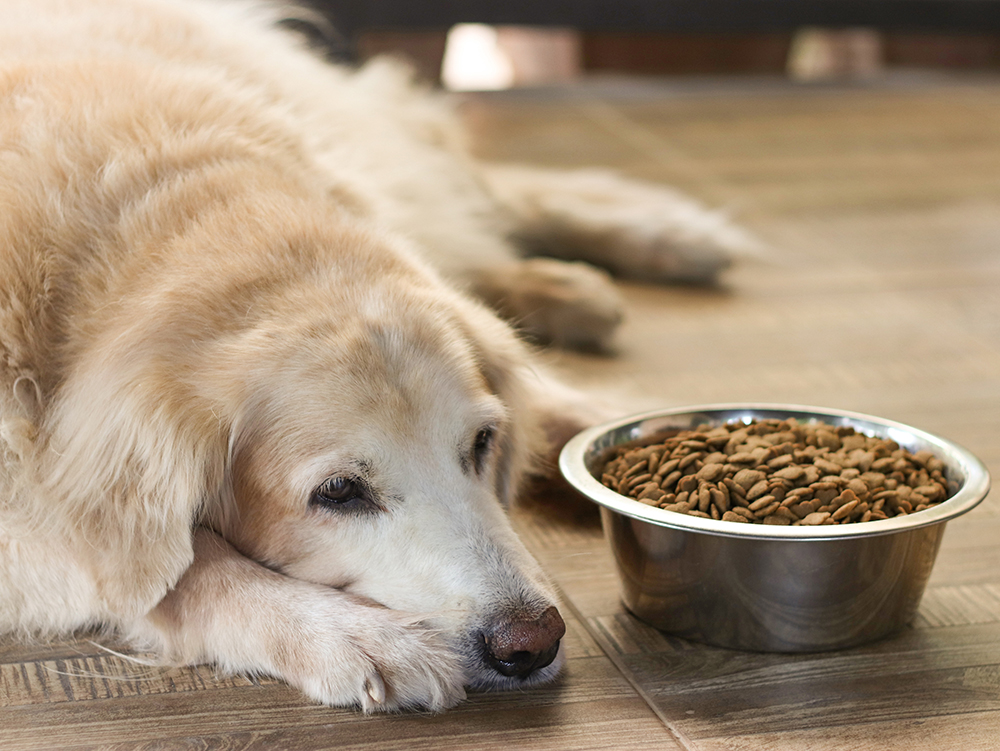
In more serious cases, leptospirosis can affect the kidneys and liver and may lead to organ failure.
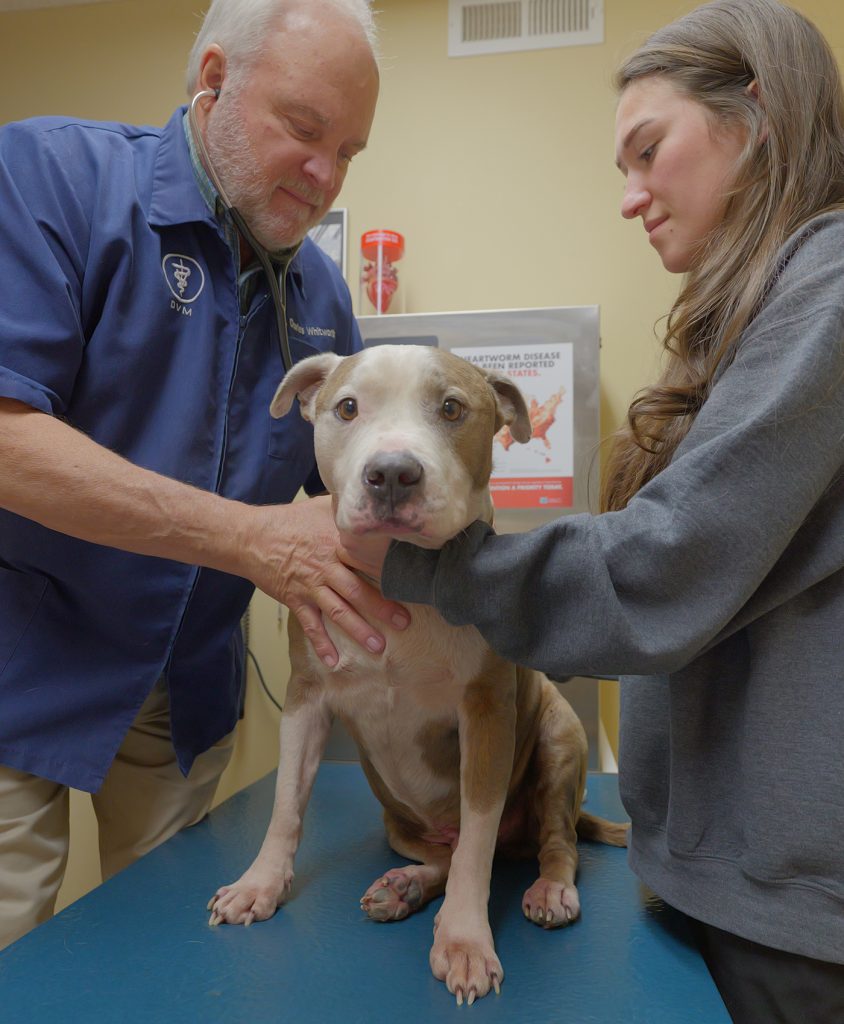
 Don’t Ignore Sudden Changes
If your dog suddenly becomes very tired, stops eating, begins vomiting or has noticeable changes in drinking or urination—call Whitworth Animal Clinic in Madison, AL.
Especially tell your them if your dog may recently have been exposed to standing water, wildlife or rodents.
Early diagnosis and treatment matter. Antibiotics can help, but organ damage caused by leptospirosis may sometimes be permanent.
ASK ABOUT LEPTOSPIROSIS IN DOGS AT YOUR DOG’S NEXT WELLNESS EXAM
Your dog’s lifestyle changes over time. A dog that never left the backyard as a puppy may now be hiking, swimming, traveling or visiting a boarding facility.
Dr. Whitworth or Dr. Rice can help determine which vaccines are appropriate based on your dog’s lifestyle and potential exposure.
Can People Get Leptospirosis From Dogs?
Yes.
Leptospirosis is a zoonotic disease, meaning it can affect both animals and people.
An infected dog can shed the bacteria in its urine. If your veterinarian suspects your dog has leptospirosis, follow their instructions carefully and avoid direct contact with urine. Wear gloves when cleaning contaminated areas and wash your hands thoroughly afterward.
This doesn’t mean you should be afraid of your dog. It means that good hygiene and appropriate veterinary care are important when an infection is suspected.
Keep Your Best Friend Protected
Leptospirosis is serious, but there’s no reason to panic.
Know the risks. Avoid questionable water. Control rodents. Watch for unusual symptoms. And talk with your veterinarian about vaccination.
A few simple precautions today can help protect your dog tomorrow.
Have questions about leptospirosis or your dog’s vaccinations?
Talk with the veterinary team at Whitworth Animal Clinic in Madison, Alabama.
We’re here to help keep your best friend healthy, happy and protected.
Other Resources
Check the Centers for Disease Control and Prevention website for more information on leptospirosis and guidelines for preventing occurrence of the disease in pets.
Dr. Whitworth and Dr. Ricee stay current on best practices for canine vaccinations. When it comes to leptospirosis and other zoonotic diseases, it’s important to keep your pet’s shot record up-to-date because it can also protect you.
Schedule an appointment today to discuss concerns about your pet or to update immunizations.