
Every Dog Needs Exercise—But Not Every
Dog Needs the Same Amount.
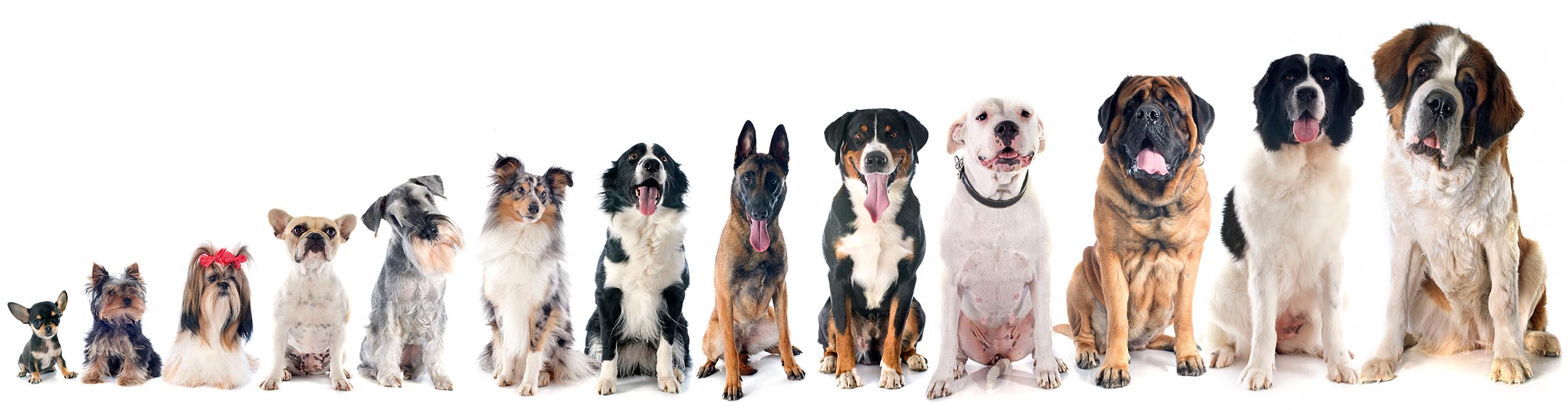
One of the most common questions we hear at Whitworth Animal Clinic is, “How much exercise does my dog need?” The answer depends on several factors, including your dog’s breed, age, size, overall health, and even the weather.
Regular exercise helps dogs maintain a healthy weight, improves heart health, strengthens muscles and joints, reduces anxiety, and can even prevent destructive behaviors caused by boredom. The key is finding the right balance for your four-legged companion.
High-Energy Breeds
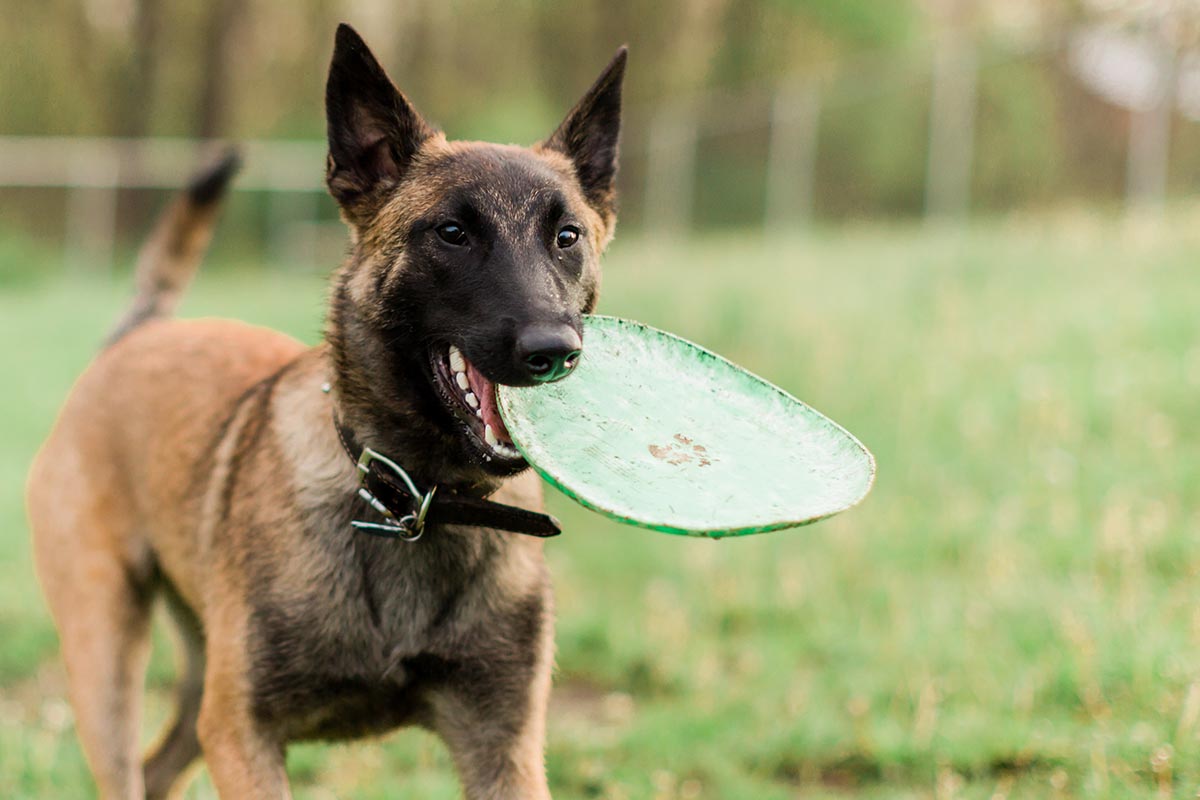
These dogs were bred to work and often require 1½ to 2+ hours of exercise each day.
Examples include:
- Border Collies
- Australian Shepherds
- Labrador Retrievers
- Golden Retrievers
- German Shepherds
- Belgian Malinois
- Vizslas
- Siberian Huskies
These breeds thrive on activities like hiking, running, swimming, agility courses, or games of fetch.
Moderate-Energy Breeds
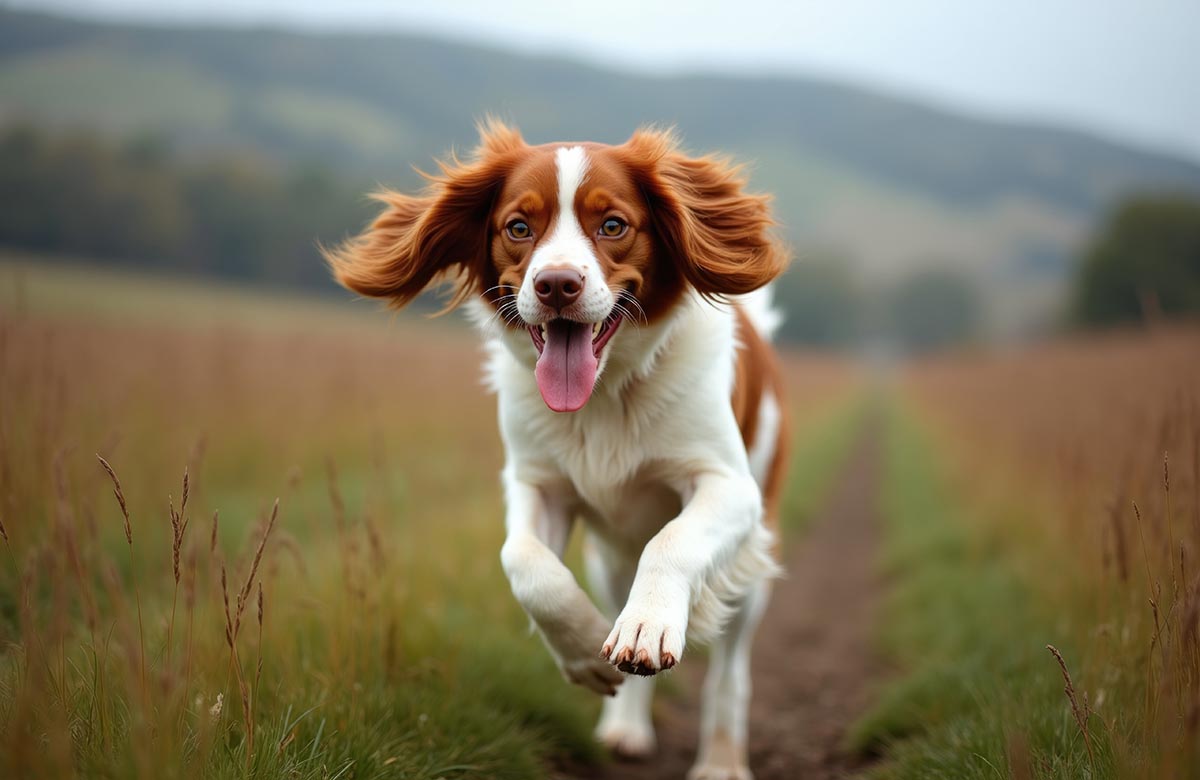
Most dogs fall into this category and generally need 45 to 90 minutes of daily activity.
Examples include:
- Boxers
- Standard Poodles
- Beagles
- Cocker Spaniels
- Brittany Spaniels
A combination of walks, playtime, and interactive games usually keeps these dogs happy and healthy.
Low-Energy Breeds
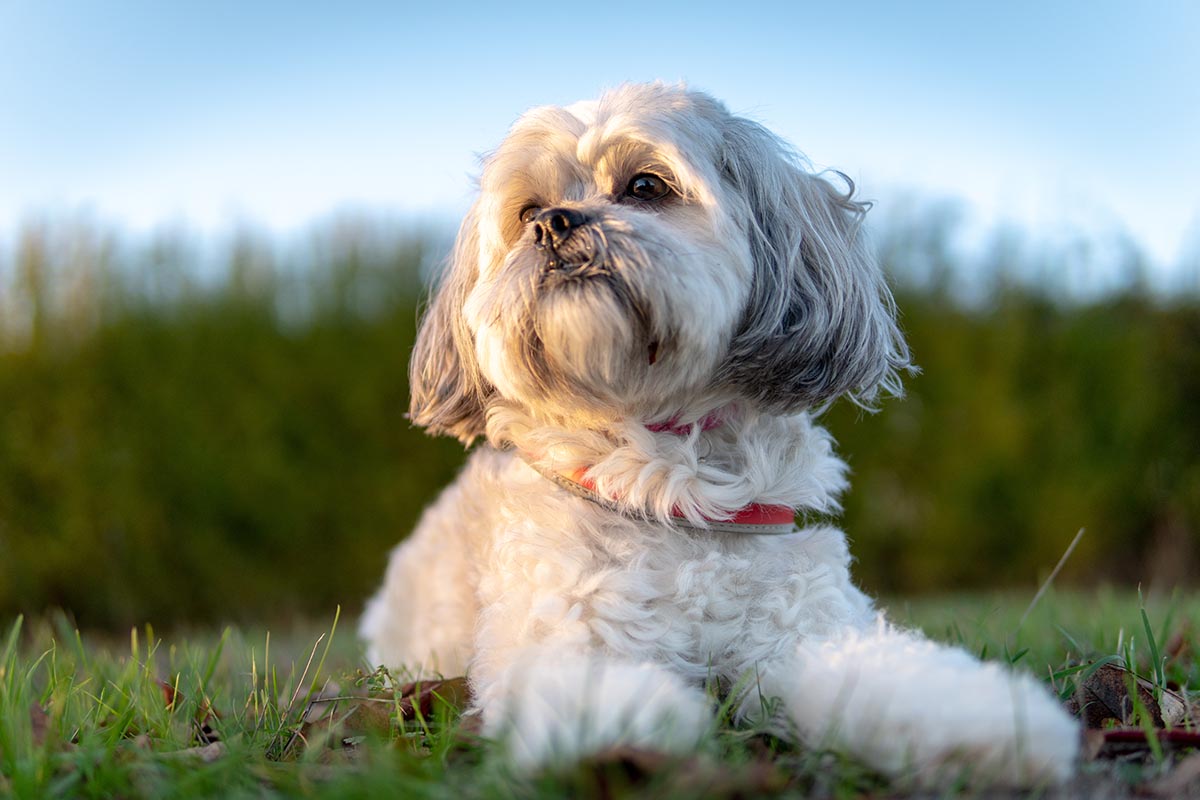
Some breeds simply don’t require as much vigorous exercise. They generally do well with 20 to 45 minutes of daily activity.
Examples include:
- Bulldogs
- Basset Hounds
- Shih Tzus
- Cavalier King Charles Spaniels
- Great Danes (despite their size)
Even low-energy dogs benefit from daily walks to maintain muscle tone and mental stimulation.

Puppies and Senior Dogs Need Special Consideration
Puppies
Growing puppies have lots of energy but should avoid excessive running or jumping that could damage developing joints.
Short play sessions throughout the day are usually better than one long workout.
Senior Dogs
Older dogs still need daily exercise to maintain mobility, muscle strength, and a healthy weight.
Gentle walks, swimming, and low-impact play are excellent choices for aging pets.
Hot Alabama Weather Changes Everything
Summers in Madison, Huntsville, and throughout North Alabama can become dangerously hot for dogs.
Unlike humans, dogs don’t sweat efficiently. They cool themselves primarily by panting, making them much more susceptible to overheating.
When temperatures climb above 80°F, especially with high humidity, reduce outdoor activity.
Once temperatures approach 90°F or higher, even healthy dogs can develop heat exhaustion surprisingly quickly.
Signs of overheating include:
- Excessive panting
- Bright red gums
- Weakness
- Drooling
- Vomiting
- Confusion
- Collapse
Heat stroke is a medical emergency. If you suspect your dog is overheating, move them to a cool area immediately, offer small amounts of cool (not ice-cold) water, and contact your veterinarian right away.
How to Exercise Your Dog When It’s Too Hot Outside
Fortunately, your dog can still burn energy indoors.
Try these fun activities:
Play Indoor Fetch
Use a soft toy or ball in a hallway or large room.
Hide-and-Seek
Hide treats or favorite toys around the house and let your dog sniff them out.
Puzzle Feeders
Interactive food puzzles provide valuable mental stimulation that can tire dogs almost as effectively as physical exercise.
Teach New Tricks
Training sessions exercise your dog’s brain while strengthening your bond.
Tug-of-War
A short game with a rope toy can provide excellent exercise.
Indoor Obstacle Course
Create a simple agility course using chairs, cushions, tunnels, and blankets.
Doggy Daycare
Our daycare facilitiy offers climate-controlled play areas where dogs can safely socialize and burn off energy.
Swimming
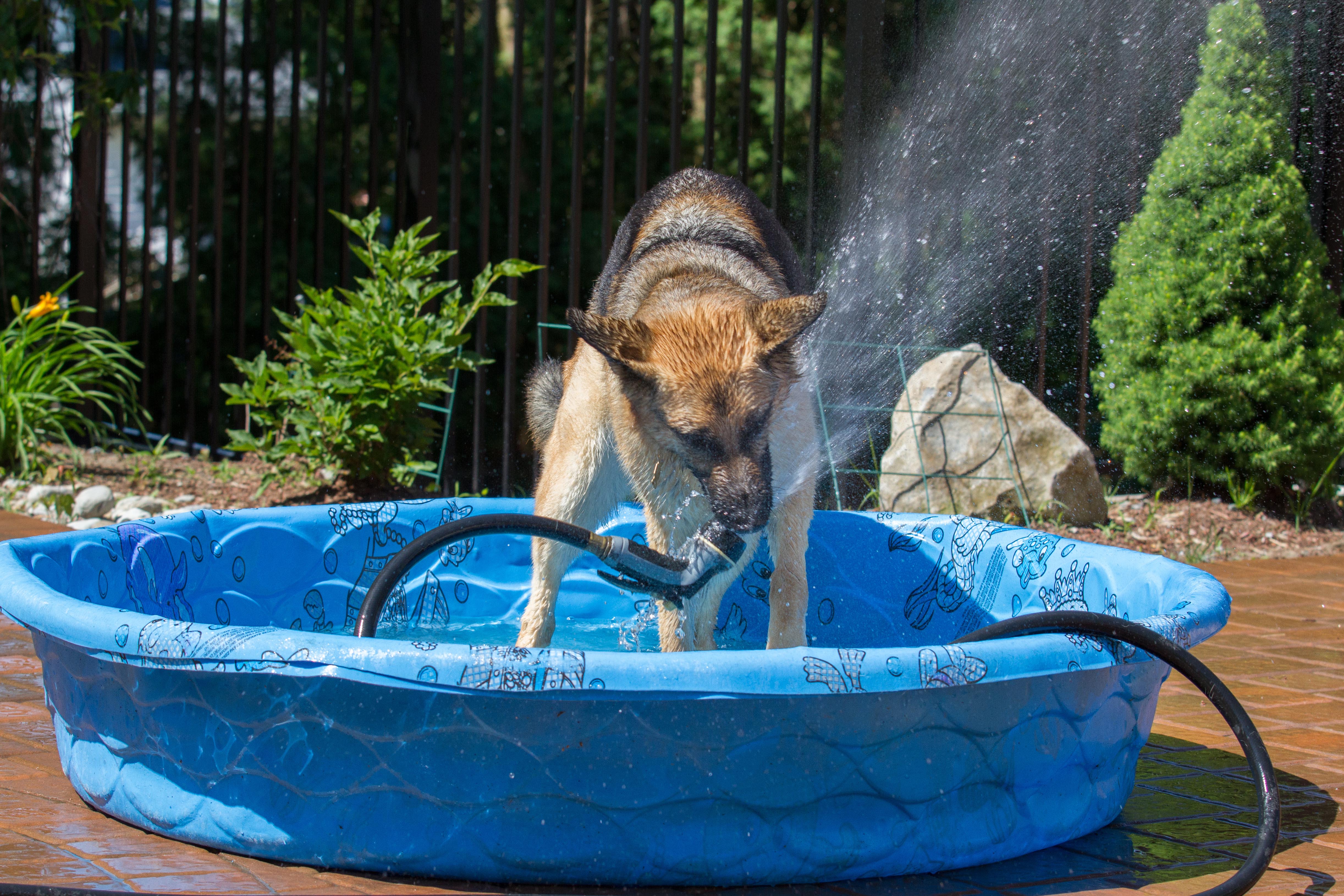
If your dog enjoys water and it’s safe to do so, swimming is one of the best low-impact exercises available.
Every Dog Is Different
Age, medical conditions, arthritis, obesity, and certain breeds all influence how much exercise is appropriate.
If your dog suddenly becomes reluctant to exercise, limps after activity, or tires more easily than usual, it’s time for a veterinary examination.
At Whitworth Animal Clinic, we’re happy to help you develop an exercise plan that’s appropriate for your dog’s age, breed, and overall health. During your pet’s wellness exam, we can discuss weight management, joint health, heart health, and safe activity levels so your best friend can stay healthy for years to come.
Schedule your dog’s wellness exam today and let our experienced veterinary team help keep your companion happy, healthy, and active.

Leave A Comment